Diving Deep Below Deck An Exclusive Tour of the Disney Destiny’s Engineering Marvels
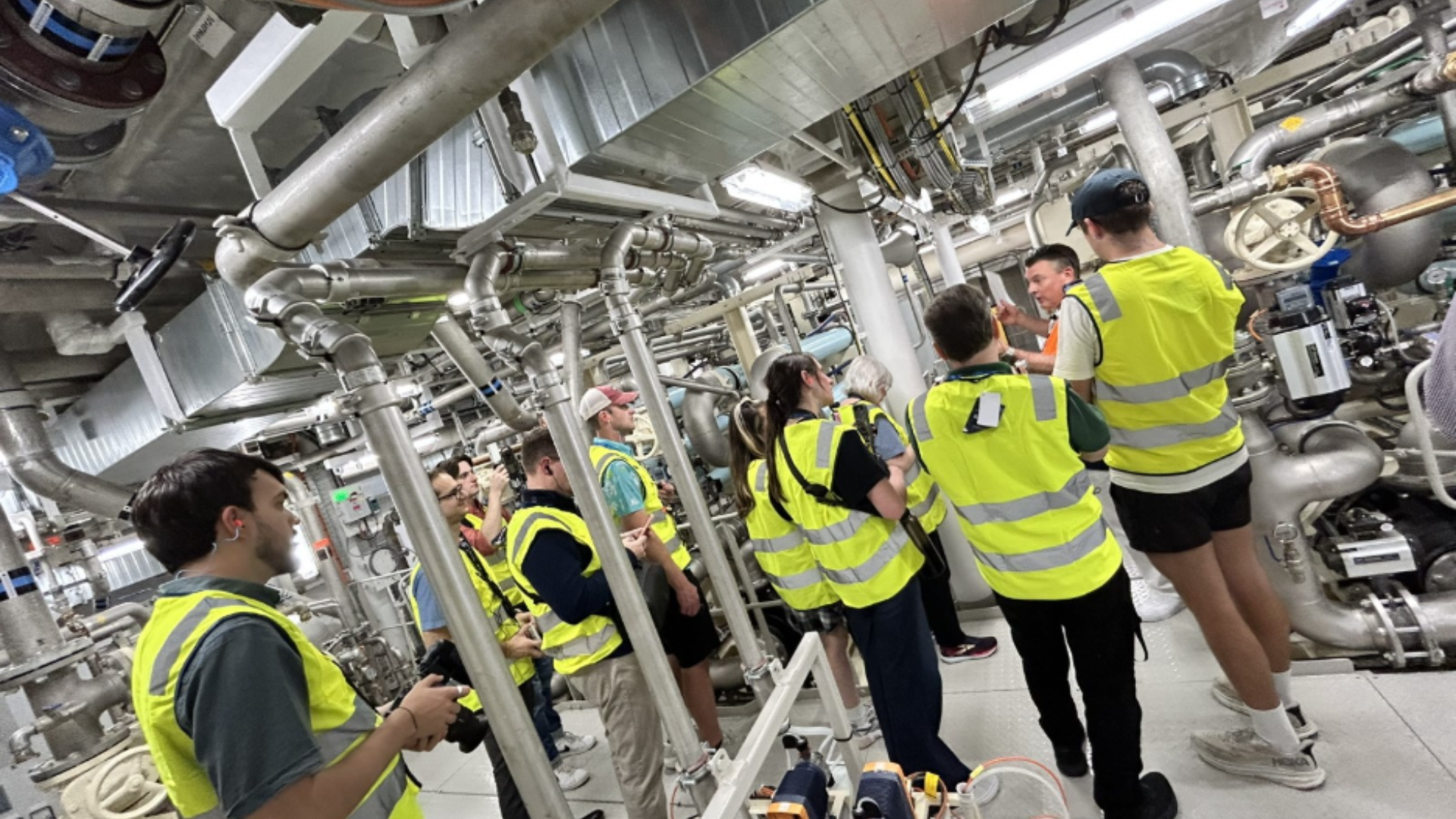
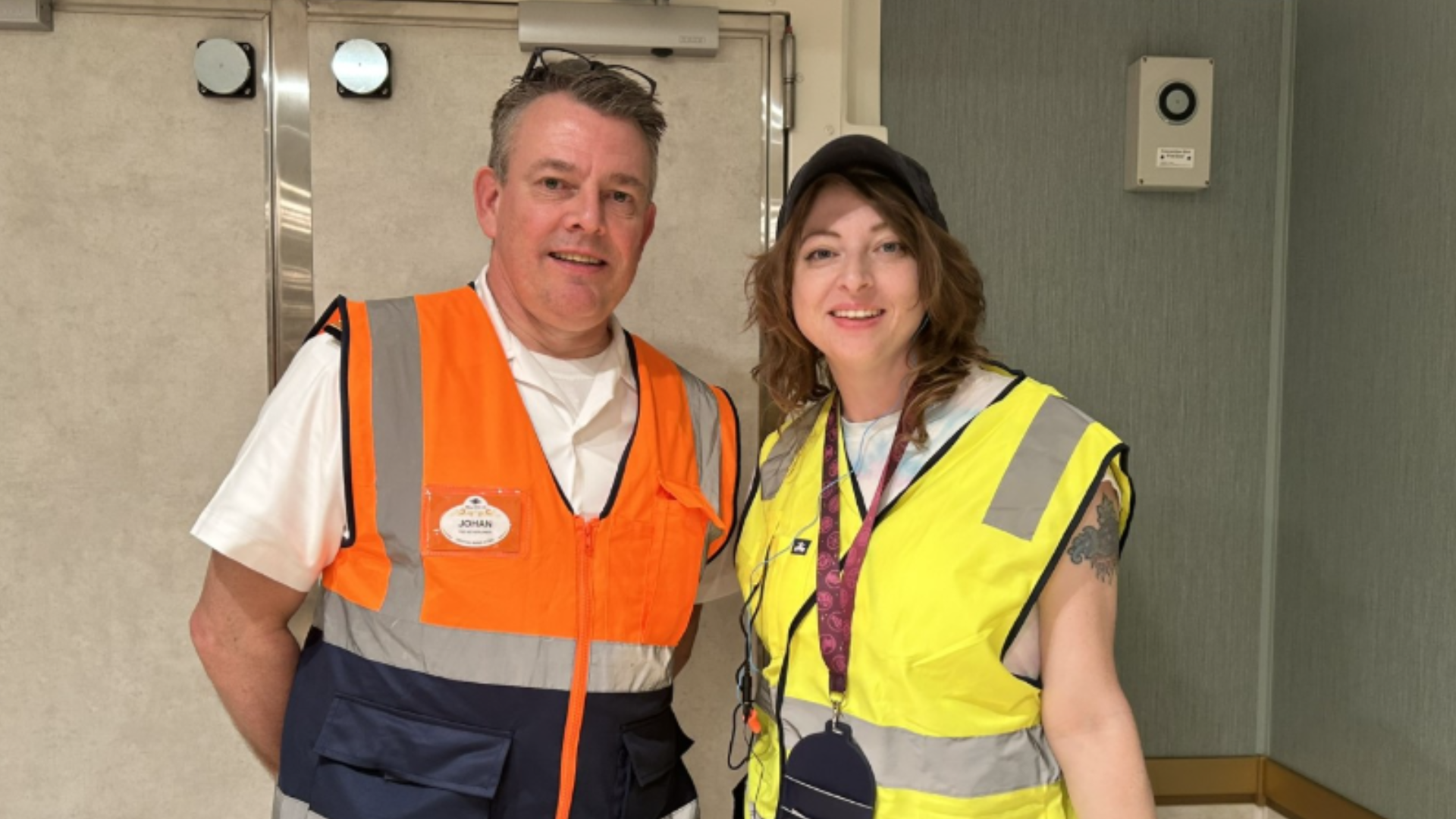
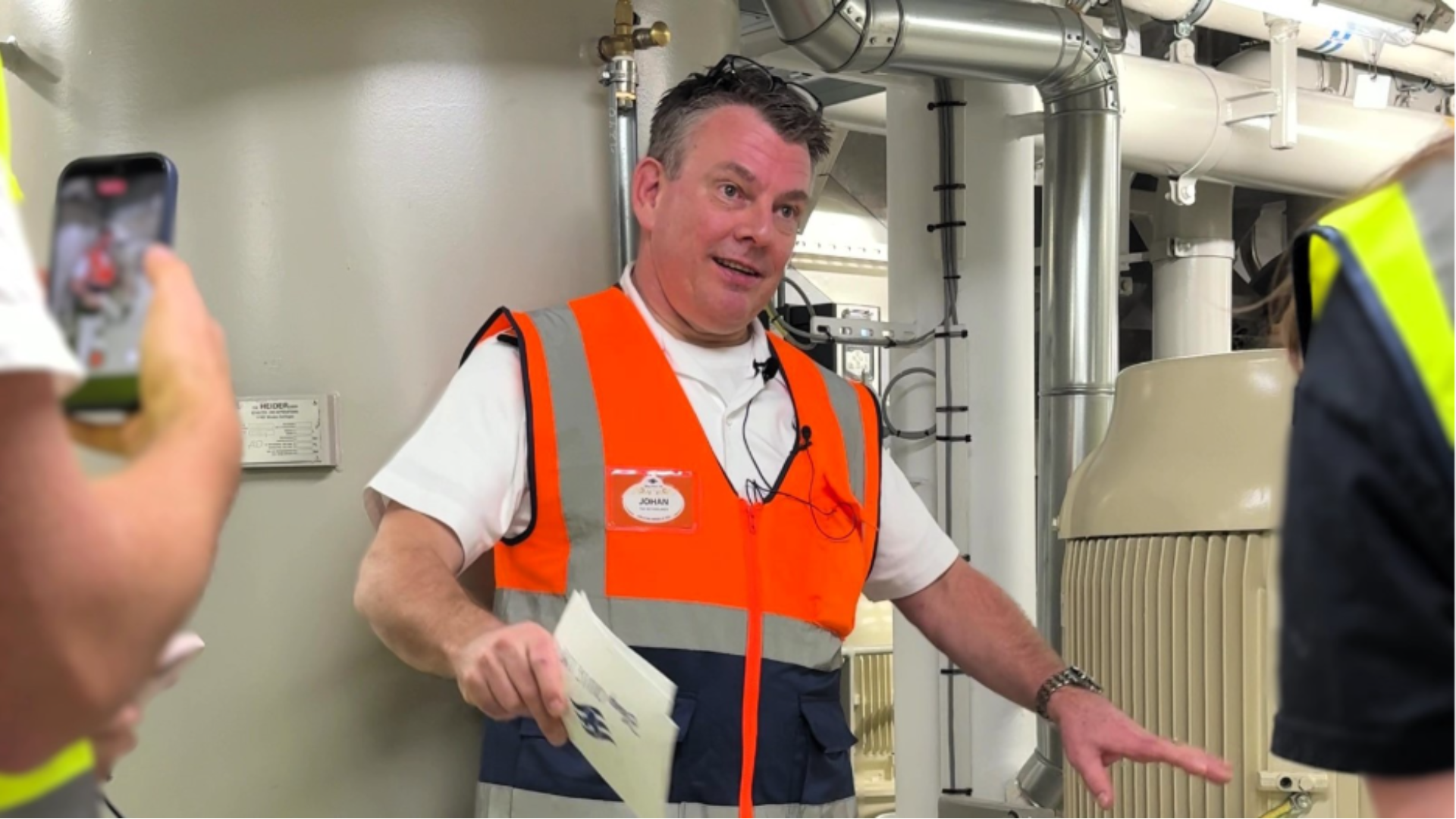
Disney Cruise Line’s newest Wish Class ship is packed with cutting-edge technology and thoughtful sustainability features—and most guests never see the impressive systems that keep it all running smoothly. I recently had the rare opportunity to join Chief Engineer Johan Blokstra for a firsthand look at the inner workings of the Disney Destiny, far below the waterline.
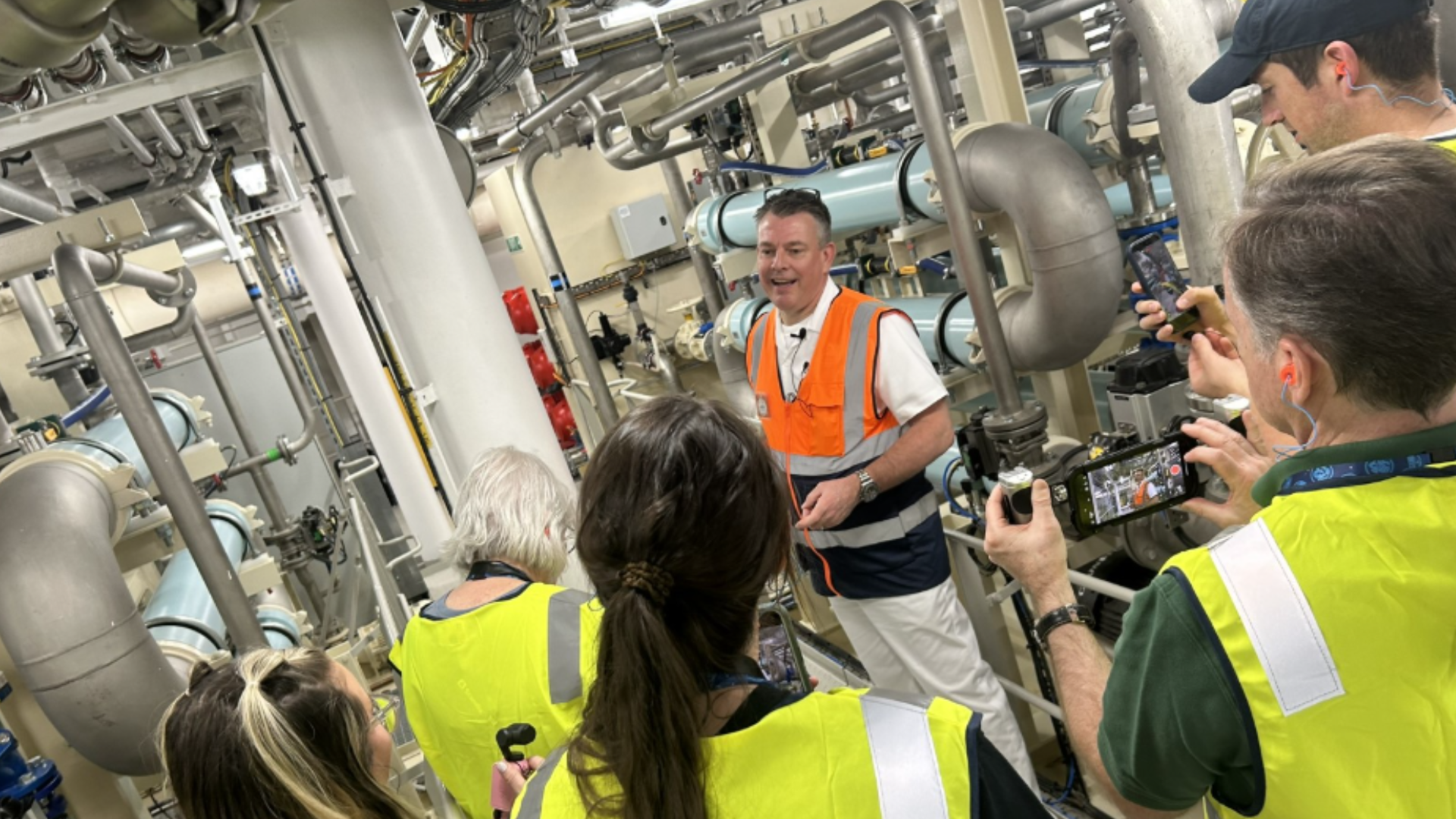
Johan, with a big grin and obvious pride, welcomed our small group with a simple but striking fact: “We are below the water line. The water is actually one deck higher—you’re walking underneath it.” He knows every pipe, wire, and machine in this complex floating city like the back of his hand.
The Hidden World Backstage
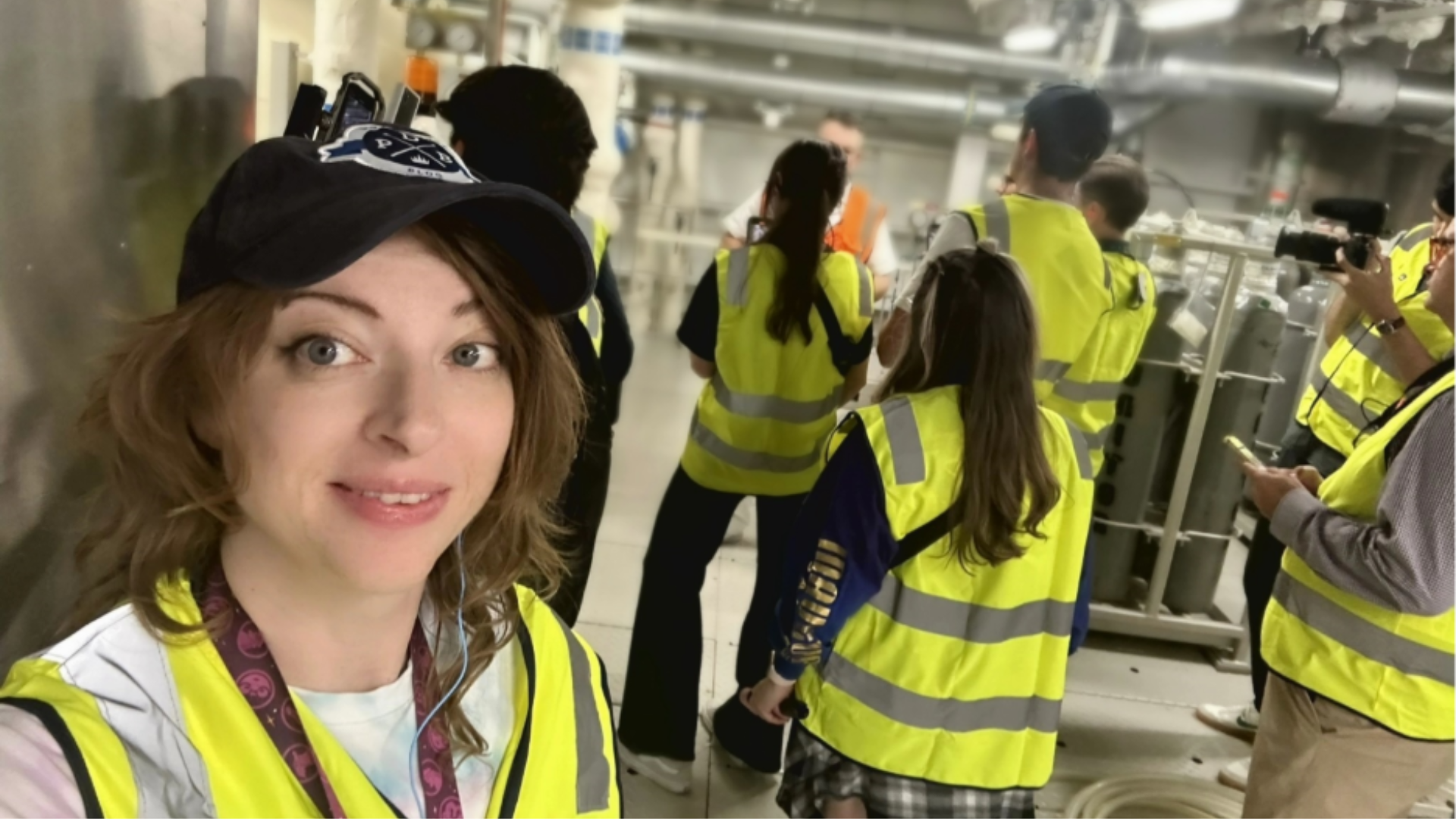
Our tour began on Deck 1, stepping through an ordinary-looking door into a bustling, hidden corridor system. Much like the legendary utilidors at Magic Kingdom, these backstage passages let crew members move efficiently around the ship without interrupting the guest experience. As we walked, we passed a cast member in full Pride Lands costume heading to perform in Feast of the Lion King, followed by a group in Worlds of Marvel vests. For a few moments, wearing my bright yellow safety vest, I almost felt like part of the crew.
The Heart of the Ship: Engine Control Room
Johan calls the Engine Control Room “the heart of the ship,” and it’s easy to see why. This is where every major system—power, propulsion, air conditioning, and more—is monitored and fine-tuned in real time.
The room feels like a perfect blend of sci-fi and nautical precision: a mix of traditional analog switches and buttons alongside sleek touchscreen displays and large monitors. A central console runs down the middle, with rolling chairs allowing engineers to glide between stations. The air hums with the constant low roar of machinery, punctuated by occasional alerts and beeps. It’s exactly what you’d imagine the command center of a modern cruise ship should look like—impressive and intensely focused.
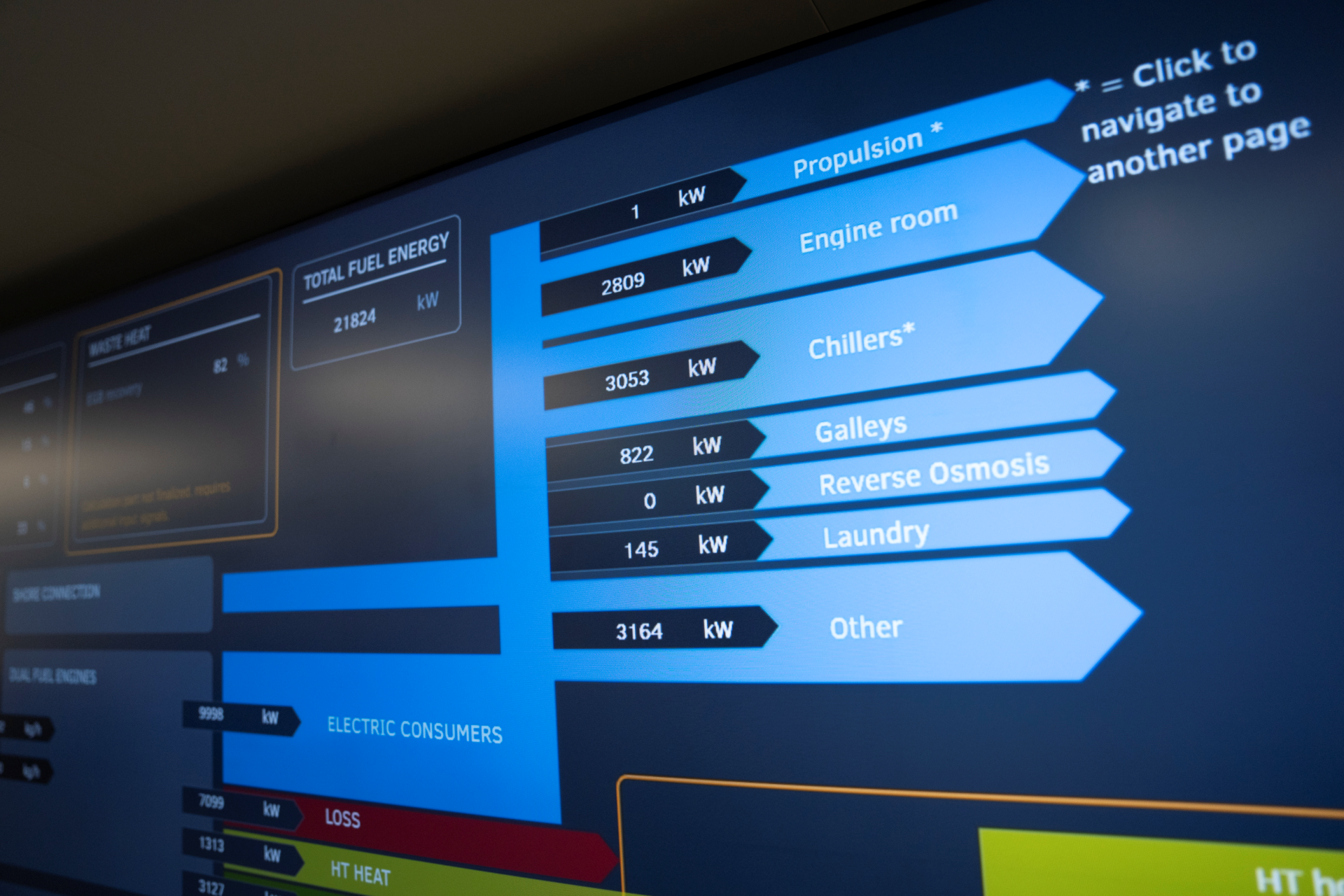
From here, the crew uses the advanced ABB Ability OCTOPUS system, an intelligent energy management platform that acts like a real-time efficiency coach. It provides clear guidance on optimizing everything from lighting and ventilation to engine performance, helping reduce fuel consumption and emissions across the board.
Serious Commitment to Efficiency and Sustainability
Disney Cruise Line is serious about environmental responsibility. Thanks to these innovations, Wish Class ships emit about 20% fewer greenhouse gases than comparable vessels. The ship’s sleek hydrodynamic hull and optimized propulsion system alone save nearly 1,800 tons of fuel per year. The advanced HVAC systems contribute another 700 tons of fuel savings annually.
On the day of our visit, while docked at Disney Castaway Cay, Johan pointed to a dynamic graph on one of the screens. “Right now, one engine is running to generate electricity. Propulsion is off, the chillers are working for air conditioning, and there’s heavy ventilation happening upstairs.”
The ship cleverly recovers waste heat from the engines to boost efficiency even further. All this operational data is also shared securely with shore-based experts who continuously analyze and improve fleet-wide performance.
Where Every Piece of Waste Finds a New Purpose
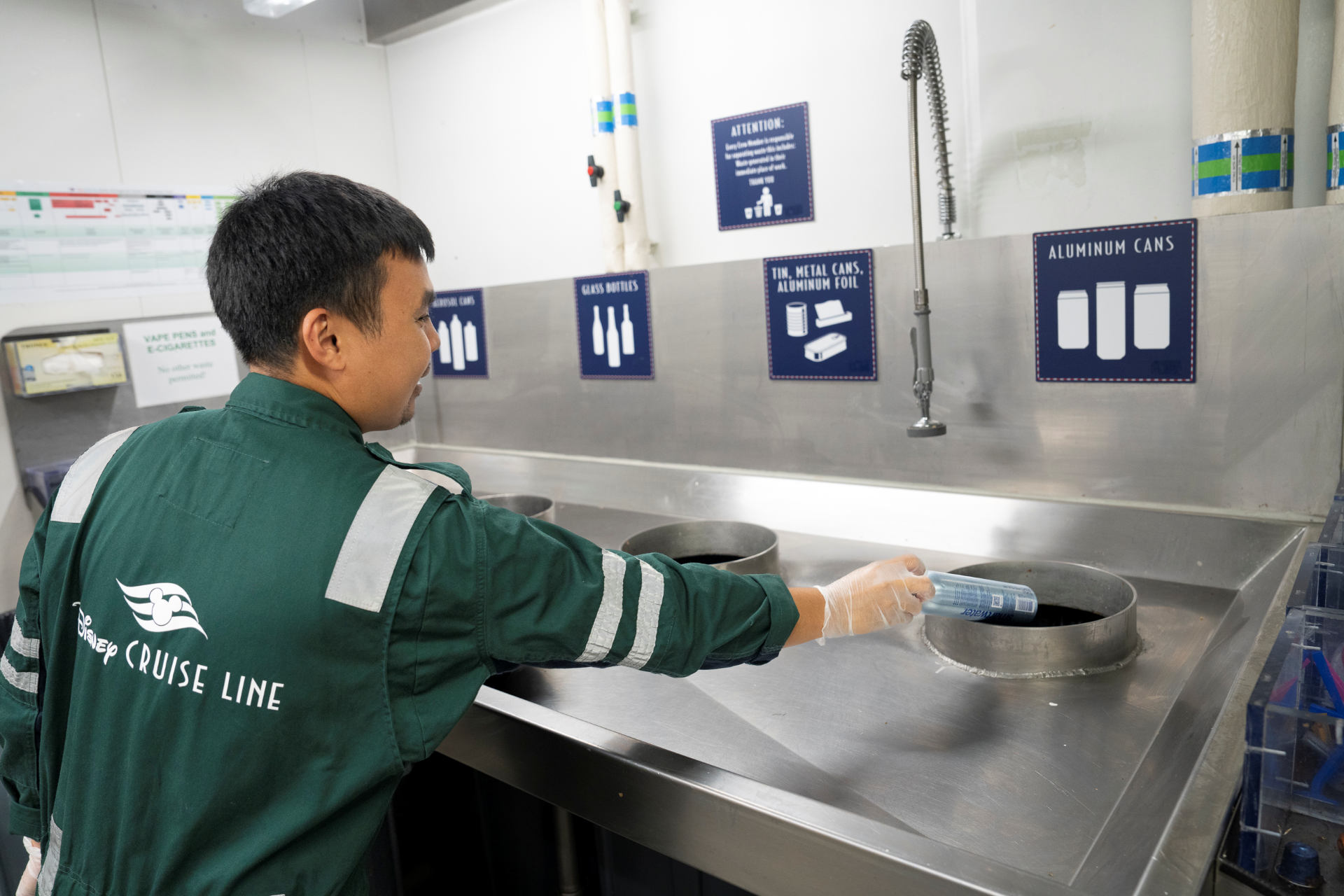
Before heading deeper, we stopped at the Recycling Room. Every item guests toss in the trash makes its way here, where crew members carefully sort glass, paper, cardboard, metals, and plastics. Industrial can crushers and cardboard balers prepare materials for recycling. Across the fleet, ships recycle up to 400 tons of material each year.
Disney Cruise Line has nearly eliminated single-use plastics ship-wide and at its Bahamian destinations, with a goal of sending zero waste to landfills. Everyday swaps—like reusable cutlery, paper cups, and bulk dispensers—make a meaningful difference.
Into the Engine Room
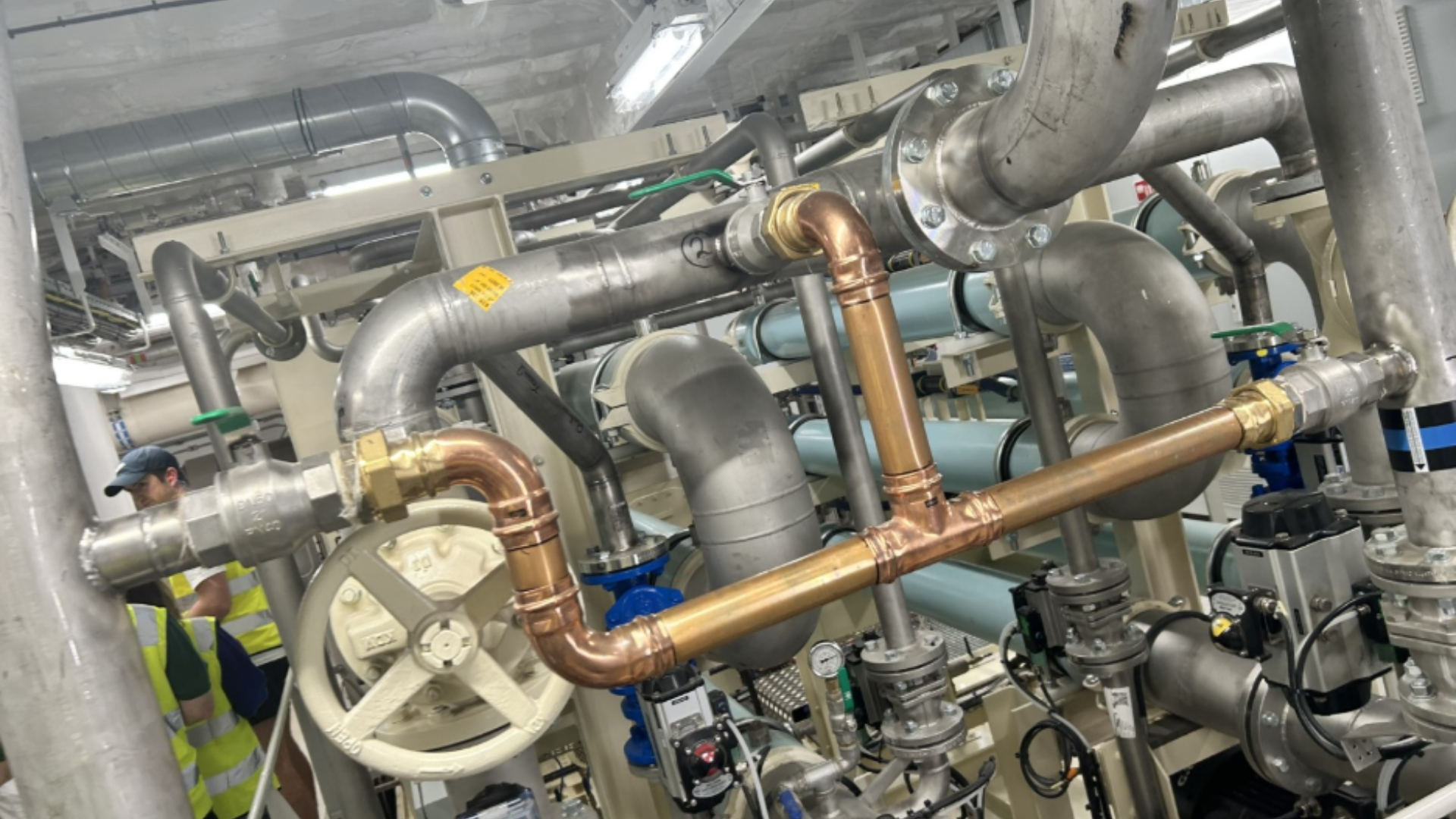
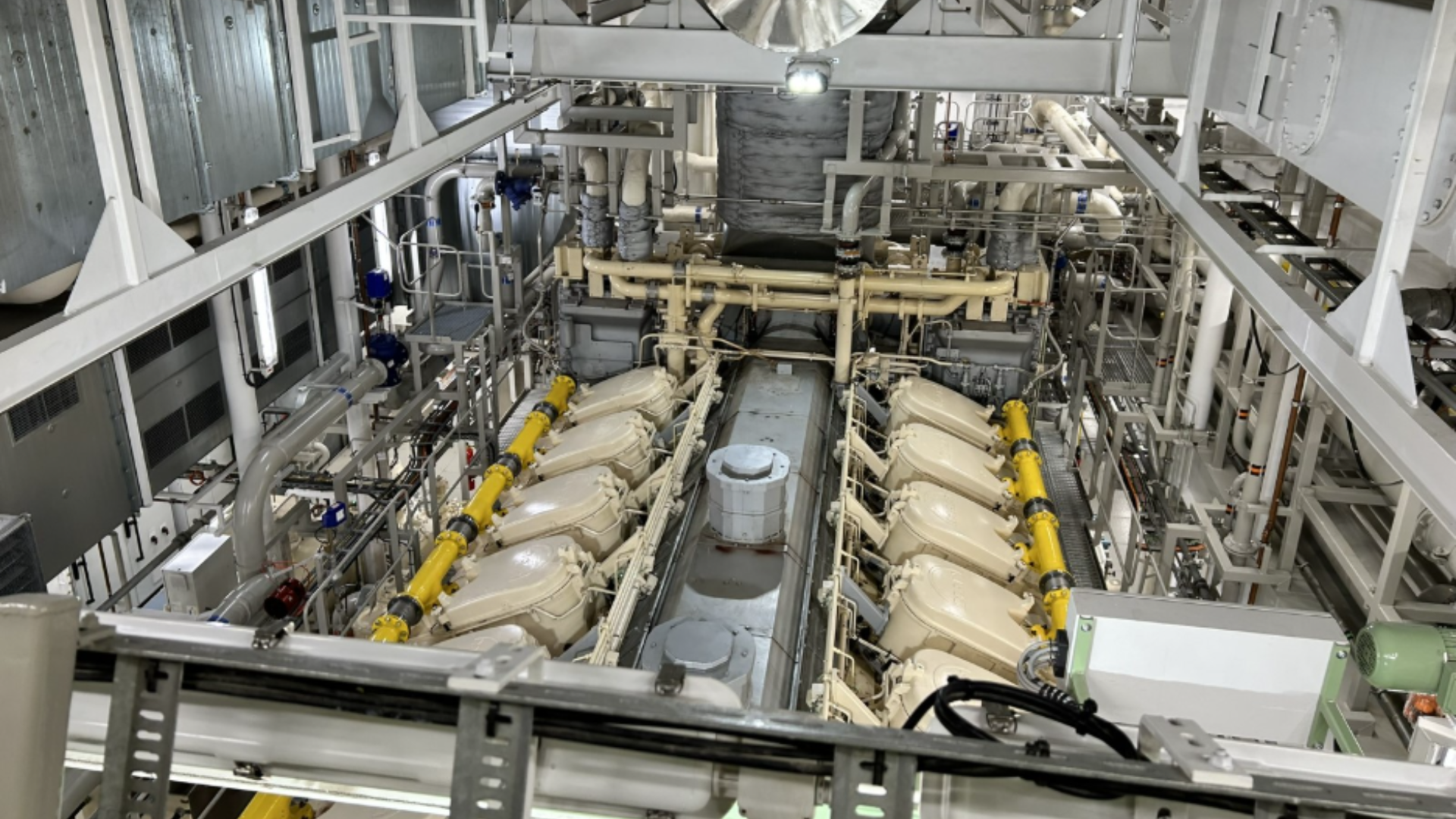
We descended a series of steep, winding staircases (some requiring backward ladder-style climbing) and emerged into the massive engine room. It’s a mesmerizing industrial forest of towering pipes, beams, colorful wiring bundles, and humming machinery. Earplugs were essential—the sound is powerful.
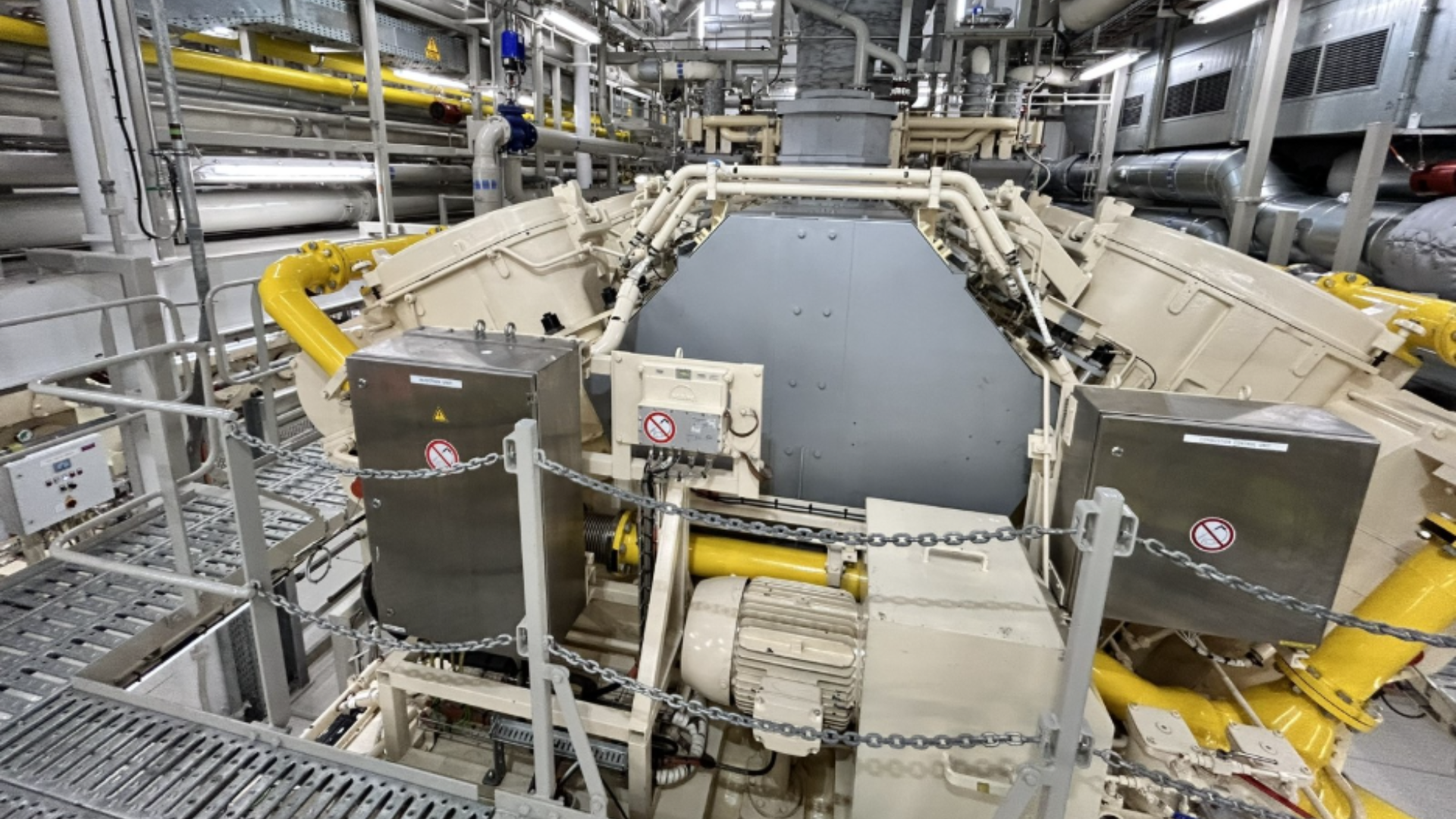
The Disney Destiny is powered by five large engines, which are operated strategically rather than all at full capacity. We stood on a catwalk directly above Engine 1 as Johan explained the careful balancing act. The other engines lined the next corridor, ready to fire up when needed. “Number 1 is running solo right now,” he said. “When we depart Castaway Cay tonight, we’ll start two more.”
Cleaner Fuel and Smart Energy Recovery
The ship runs on liquefied natural gas (LNG), stored in enormous cryogenic tanks kept at minus 250 degrees Fahrenheit. This allows the fuel to be stored compactly before it expands dramatically into gas form for use.
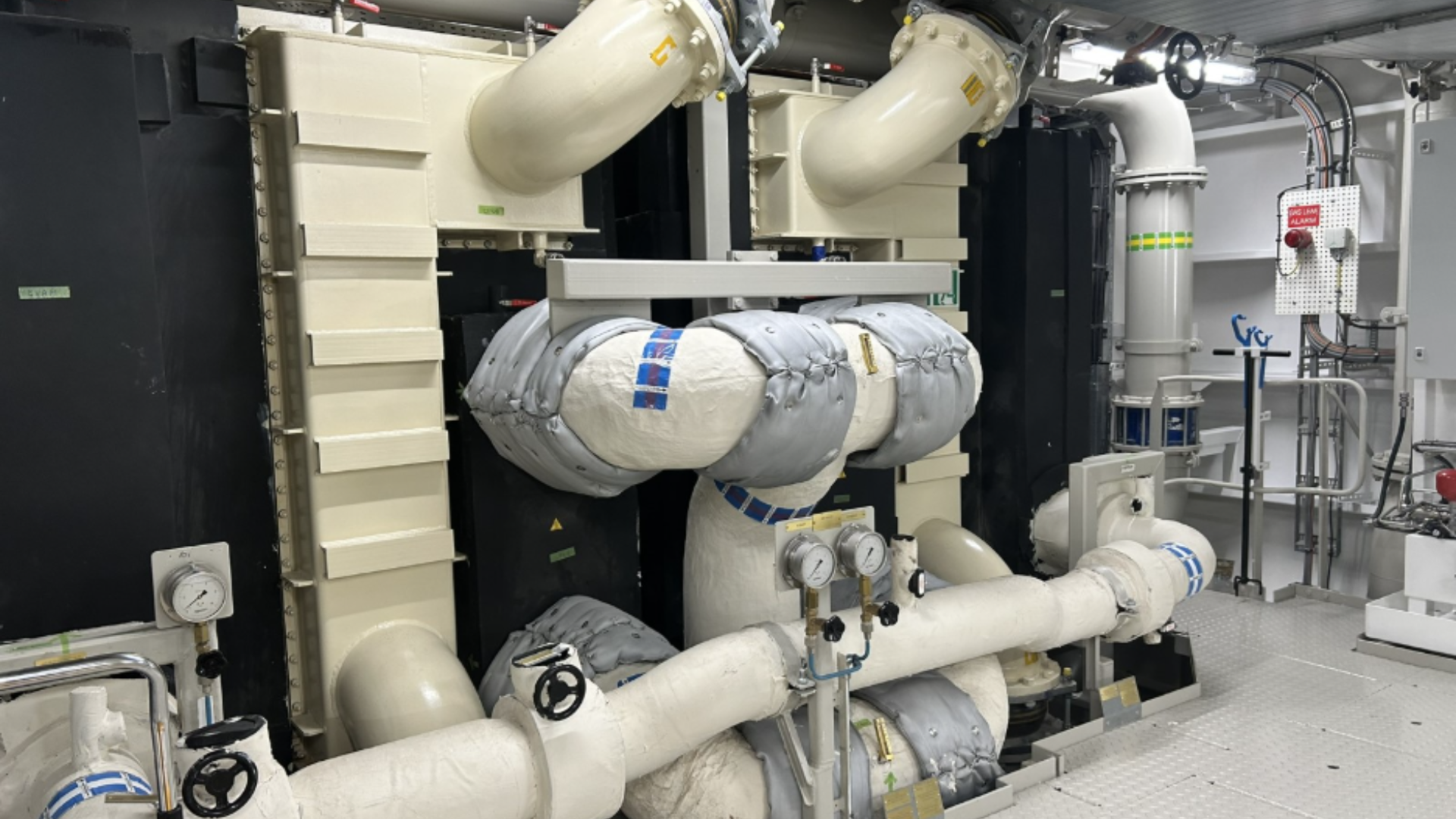
One of the most fascinating stops was a cutting-edge chiller system that converts hot engine water into chilled water for the ship’s air conditioning—a clever new technology Johan was clearly proud of. Another system uses engine gas to help with cooling. Even the condensation collected from the AC units is recycled into fresh water for laundry services, saving roughly 10 million gallons of water per ship each year.
Making Freshwater and Protecting the Ocean
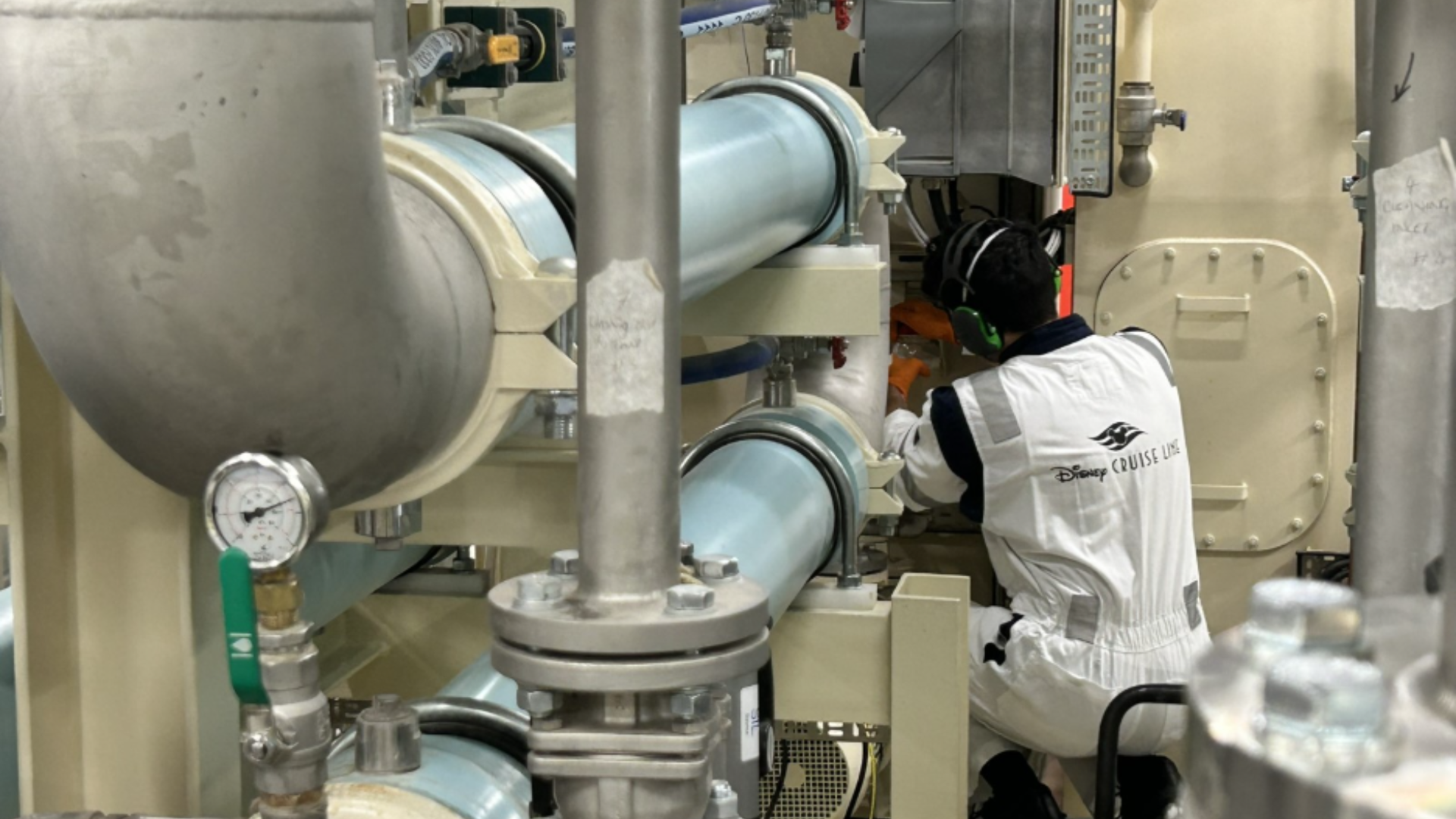
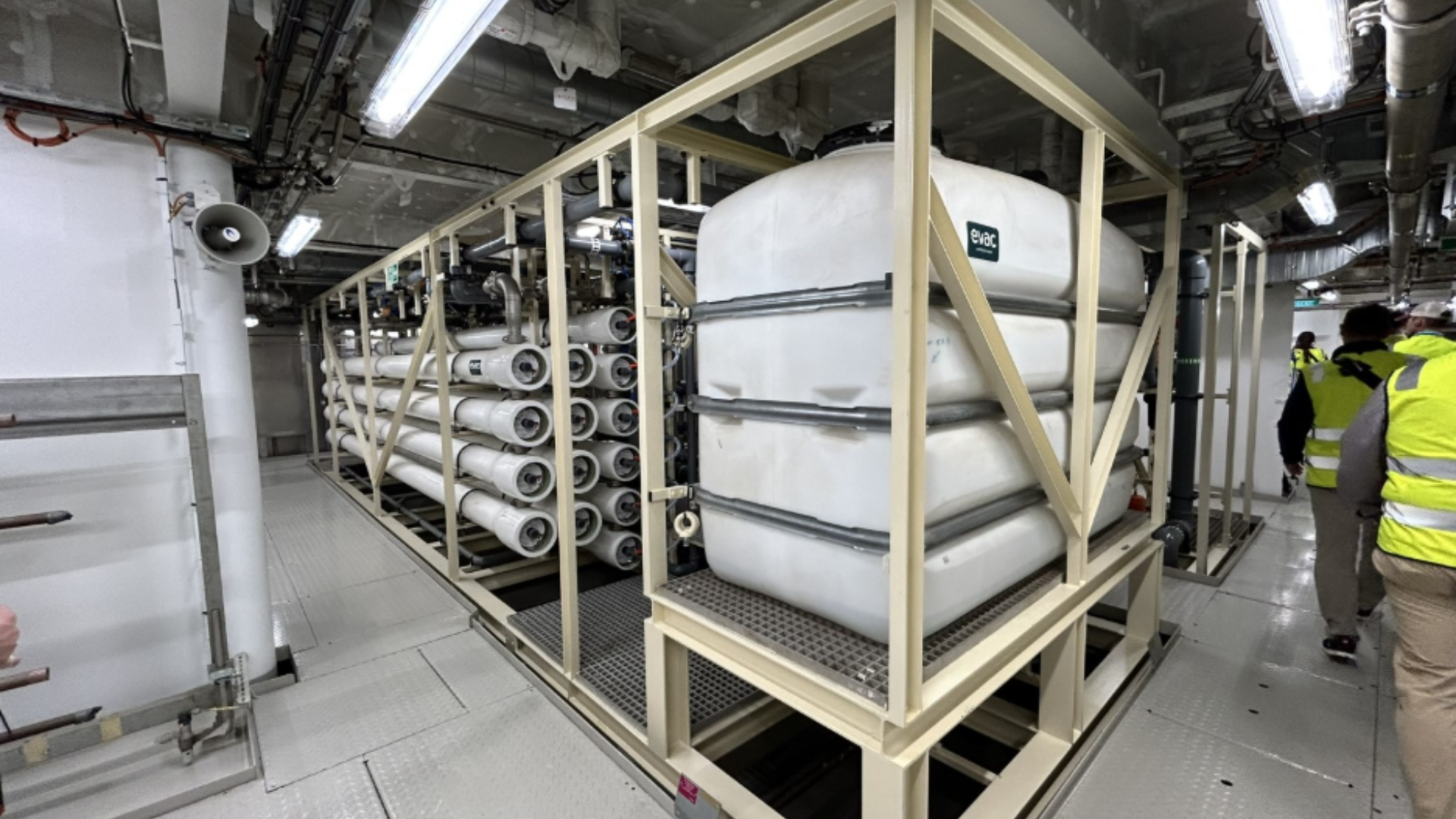
Up to 99% of the freshwater on Wish Class ships is produced onboard through energy-efficient reverse osmosis systems that turn seawater into clean drinking water. The crew meticulously tracks every drop.
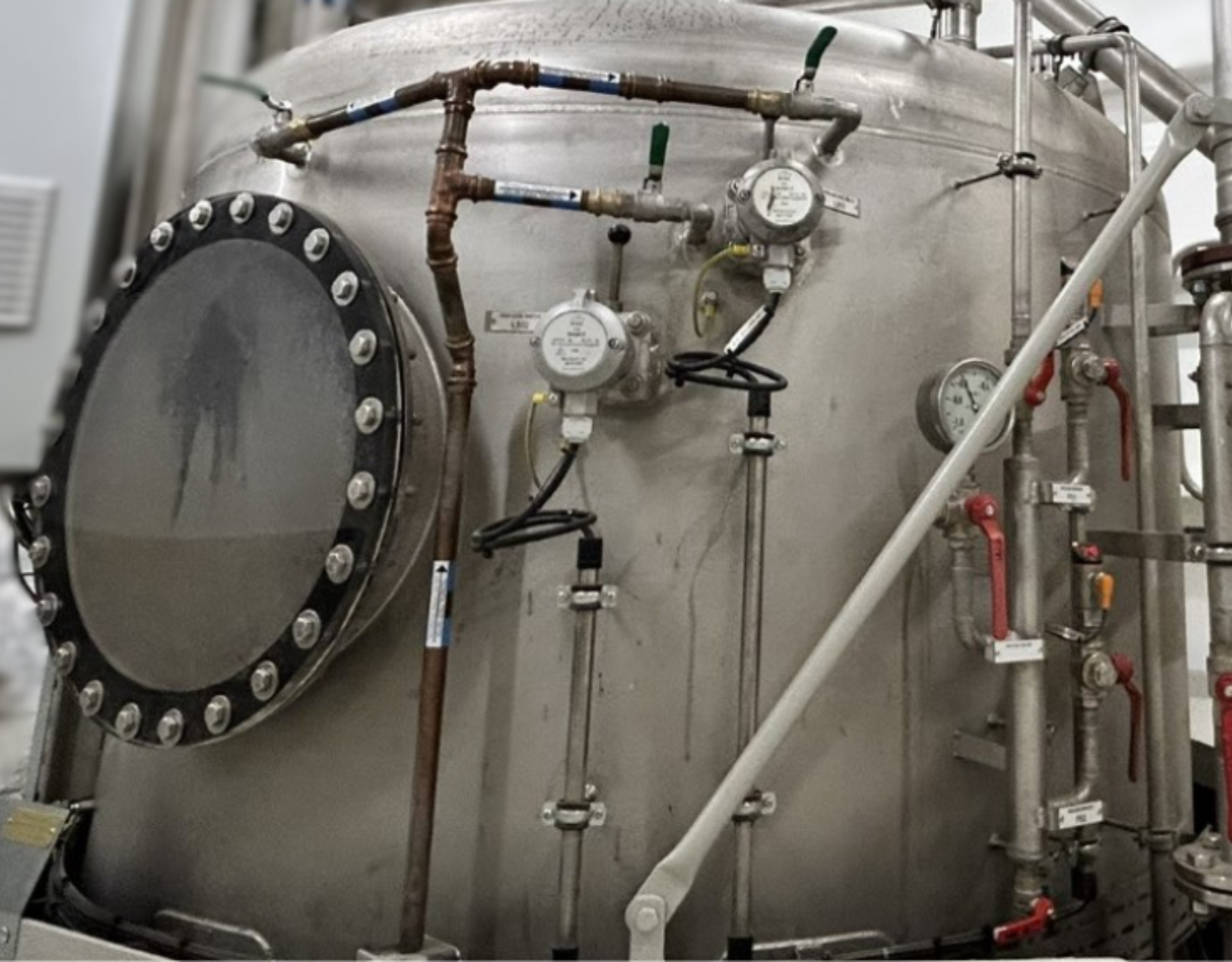
Wastewater from sinks, showers, galleys, and toilets is processed through an advanced treatment system using oxygen and bacteria—similar to a high-tech septic process. The result is water clean enough to safely discharge at sea, exceeding international standards. Johan even showed us a sample of the purified water to prove it.
A Passion for the Future
Climbing back up the narrow stairs to Deck 1, we thanked Johan for the unforgettable tour. His genuine enthusiasm for every sustainable innovation was the highlight—whether describing heat recovery, water recycling, or future upgrades.
As he put it, surrounded by the constant hum of the engines far below the waterline: “Things are moving. Things are evolving. At the moment, this is the best way forward, but in a couple of years’ time you’ll see changes.”
The Disney Destiny is a floating testament to smart engineering and environmental stewardship. To learn more about Disney Cruise Line’s ocean conservation efforts, visit Disney Planet Possible and impact.disney.com.
Thanks to Disney Parks Blog for the original article and photos